
Top Trends in AI-Driven Marketplaces: What to Expect Next


Introduction to AI-Driven Marketplaces
In recent years, AI-driven marketplaces have transformed how businesses operate and consumers shop. Leveraging artificial intelligence, these platforms offer personalized experiences, optimize supply chains, and enhance decision-making processes. As technology evolves, new trends are emerging that promise to redefine the landscape further.

Enhanced Personalization
One of the most impactful trends is the push towards enhanced personalization. AI algorithms analyze consumer behavior, preferences, and purchase history to deliver tailored product recommendations. This not only improves customer satisfaction but also increases conversion rates.
Advanced techniques, such as natural language processing and machine learning, enable marketplaces to understand and predict user needs more accurately than ever before. This level of personalization is expected to become even more sophisticated, with AI anticipating desires before they are explicitly expressed.
Dynamic Pricing Strategies
Dynamic pricing is another trend gaining traction. AI systems can adjust prices in real-time based on demand, competition, and other market factors. This approach ensures competitive pricing while maximizing profits for sellers.
Moreover, AI-driven analytics provide insights into pricing trends, helping businesses to set optimal price points. As competition intensifies, dynamic pricing is set to become a standard feature across AI-driven marketplaces.

Improved Supply Chain Management
AI is also revolutionizing supply chain management. By predicting demand patterns and optimizing inventory levels, AI-driven solutions reduce waste and ensure timely product availability. This leads to better customer satisfaction and lower operational costs.
Expect to see more AI applications in logistics, including autonomous delivery systems and smart warehouses. These innovations streamline operations and enhance efficiency across the supply chain.
Integration of Augmented Reality
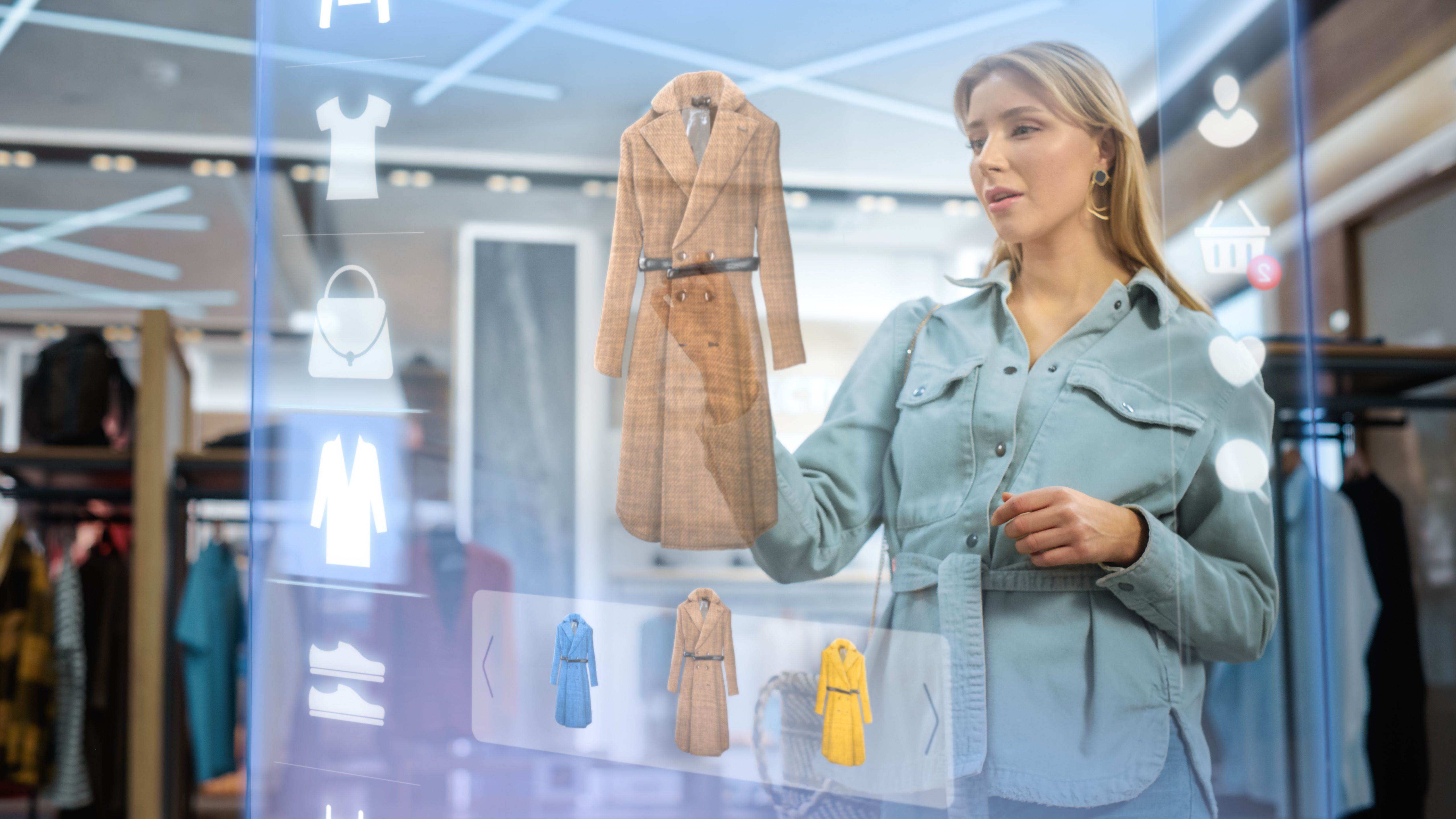
Augmented reality (AR) is being integrated into AI-driven marketplaces to create immersive shopping experiences. AR allows customers to visualize products in real-world settings before making a purchase, reducing return rates and boosting confidence in online shopping.
This technology is particularly beneficial for fashion, home decor, and automotive industries, where visualization plays a crucial role in the decision-making process. As AR technology advances, its adoption in marketplaces will likely increase.
Focus on Sustainability
With growing environmental concerns, AI-driven marketplaces are focusing on sustainability. AI tools help track and minimize carbon footprints, optimize resource use, and promote eco-friendly products. This trend aligns with the increasing consumer demand for sustainable practices.
Businesses that embrace sustainability not only contribute positively to the environment but also attract a loyal customer base that values eco-conscious practices.
Conclusion
The future of AI-driven marketplaces is bright, with ongoing advancements promising to enhance user experiences, streamline operations, and promote sustainability. Businesses that leverage these trends will likely gain a competitive edge, while consumers can expect more personalized and efficient shopping experiences.
As AI technology continues to evolve, staying informed about these trends will be crucial for both businesses and consumers seeking to navigate the ever-changing digital marketplace landscape.