
The Future of Shopping: How AI Marketplaces Are Transforming Retail


The Rise of AI Marketplaces
The retail industry is undergoing a profound transformation, driven by the rapid integration of artificial intelligence (AI) technologies. AI marketplaces are at the forefront of this change, offering consumers and businesses smarter ways to shop, sell, and interact. These digital platforms leverage AI to enhance the shopping experience, providing personalized recommendations, efficient inventory management, and streamlined customer service.

Personalized Shopping Experiences
One of the most significant impacts of AI in retail is the ability to offer personalized shopping experiences. AI algorithms analyze consumer data to understand preferences and behaviors, allowing marketplaces to tailor recommendations that align with individual tastes. This personalization not only enhances customer satisfaction but also increases sales by guiding users to products they are more likely to purchase.
Moreover, AI-driven chatbots and virtual assistants provide real-time support, answering questions and assisting with product selections. These tools create a seamless shopping journey, reducing the friction that often accompanies online purchases.
Revolutionizing Inventory Management
AI marketplaces are revolutionizing inventory management by predicting demand with remarkable accuracy. Machine learning models assess historical sales data, seasonal trends, and market conditions to optimize stock levels. This ensures that retailers can maintain appropriate inventory, reducing the risk of overstocking or stockouts.

Automated inventory systems also enable faster response times to changes in consumer demand. Retailers can adjust their offerings quickly, ensuring that popular items remain available while minimizing waste from unsold goods.
Enhancing Customer Engagement
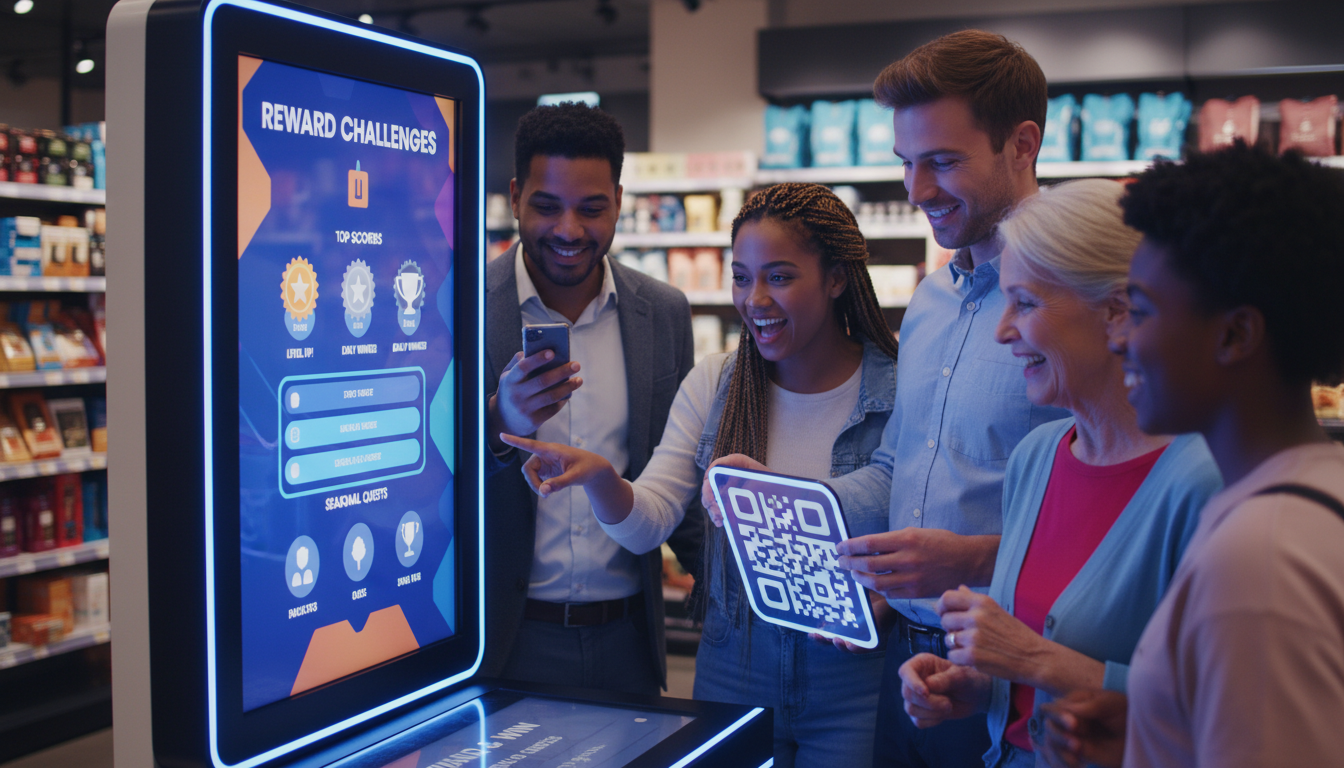
Customer engagement is another area where AI marketplaces excel. By leveraging data analytics, these platforms can create interactive shopping experiences that captivate and retain customers. Features such as virtual try-ons, augmented reality (AR) displays, and interactive product demos offer immersive ways to explore products.
Additionally, AI-driven loyalty programs reward users based on their preferences and purchasing habits. This personalized approach to customer retention builds stronger relationships and encourages repeat business.
The Role of Data Security
As AI marketplaces become more prevalent, ensuring data security is paramount. These platforms handle vast amounts of personal information, necessitating robust security measures to protect against breaches and misuse. Retailers must prioritize transparency and compliance with data protection regulations to maintain consumer trust.
Advanced encryption technologies and secure payment gateways are essential components of a safe shopping environment, reassuring customers that their sensitive information is well-protected.
Future Trends in AI Marketplaces
The future of AI marketplaces holds exciting possibilities. As technology continues to evolve, we can expect even more sophisticated personalization, enhanced automation, and greater integration of emerging technologies like blockchain and the Internet of Things (IoT). These advancements will further refine the shopping experience, making it more intuitive and efficient.
Ultimately, AI marketplaces represent a significant shift in how we approach retail. By embracing these innovations, businesses can stay competitive and meet the ever-changing needs of modern consumers.